
 +86 18721624519
Dlaczego użytkownicy komercyjni i przemysłowi coraz częściej wybierają instalacje solarne na dachach?
With electricity prices climbing steadily, businesses face mounting pressure on their power bills year on year. Simultaneously, under the dual carbon goals, green and low-carbon transformation has become an imperative. A growing number of enterprises are turning their attention to rooftop solar power systems - a model that not only significantly reduces electricity costs but also cuts carbon emissions and shapes a green brand image. Driven by both policy and market forces, this approach is rapidly gaining popularity.
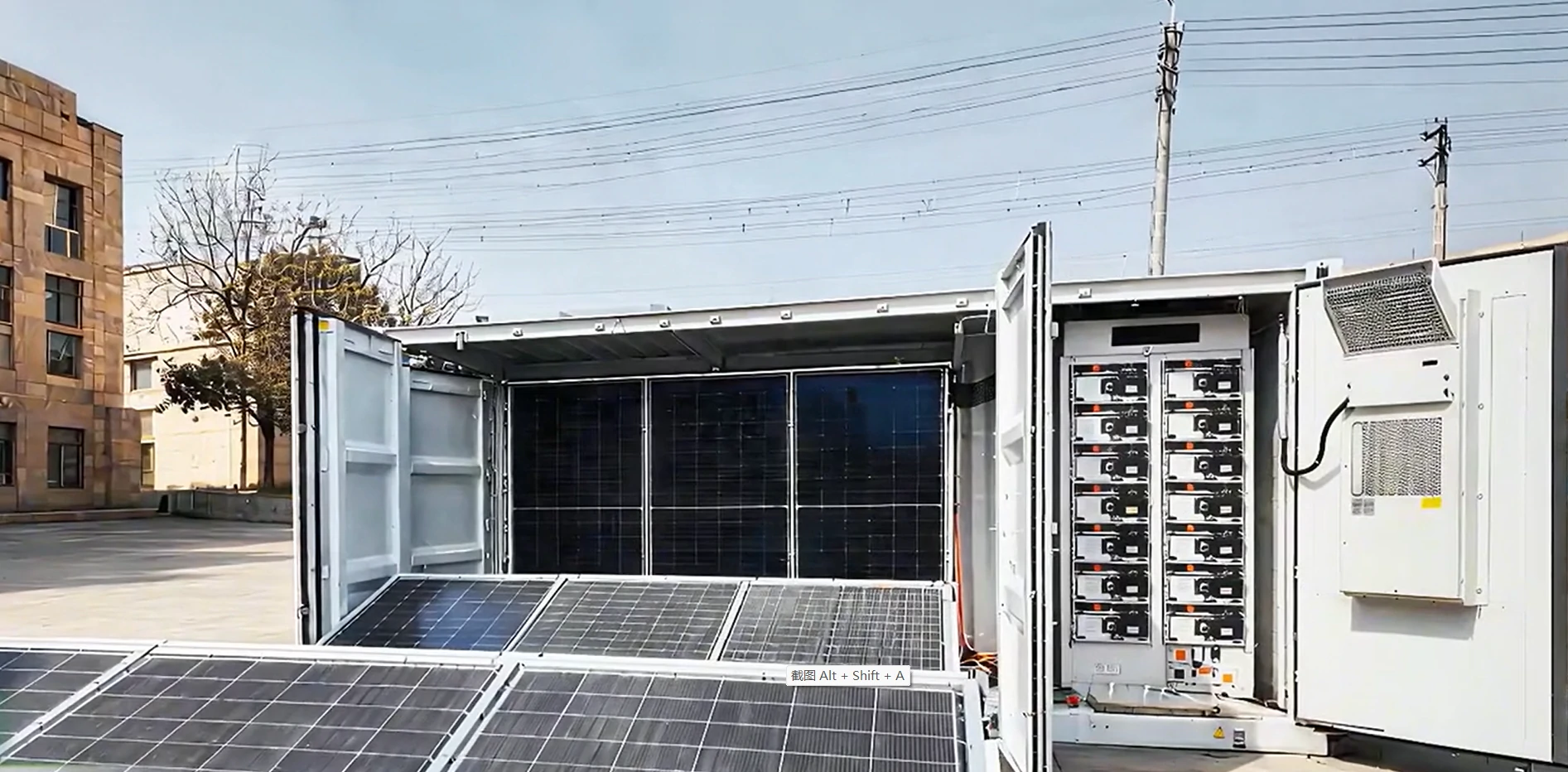
More notably, combining photovoltaics with energy storage amplifies these benefits: harnessing solar power during daylight hours and discharging stored energy at night achieves true 'self-generation for self-consumption plus surplus storage'. This model is emerging as the preferred renewable solution for factories, industrial parks, commercial complexes and similar settings.
Fotowoltaika dachowa: potężne narzędzie do redukcji kosztów
W przedsiębiorstwach produkcyjnych koszty energii elektrycznej stanowią zazwyczaj 10–30% kosztów operacyjnych. Zaletą dachowych instalacji fotowoltaicznych jest możliwość wykorzystania niewykorzystanej powierzchni dachu fabryki do produkcji energii, co zmniejsza zależność od sieci. Biorąc za przykład fabrykę o powierzchni 10 000 metrów kwadratowych, instalacja systemu fotowoltaicznego mogłaby wygenerować około 1 miliona kWh rocznie. Przy stawce energii elektrycznej dla przemysłu wynoszącej 0.8 jena za kWh, przekłada się to na roczne oszczędności sięgające 800 000 jenów.
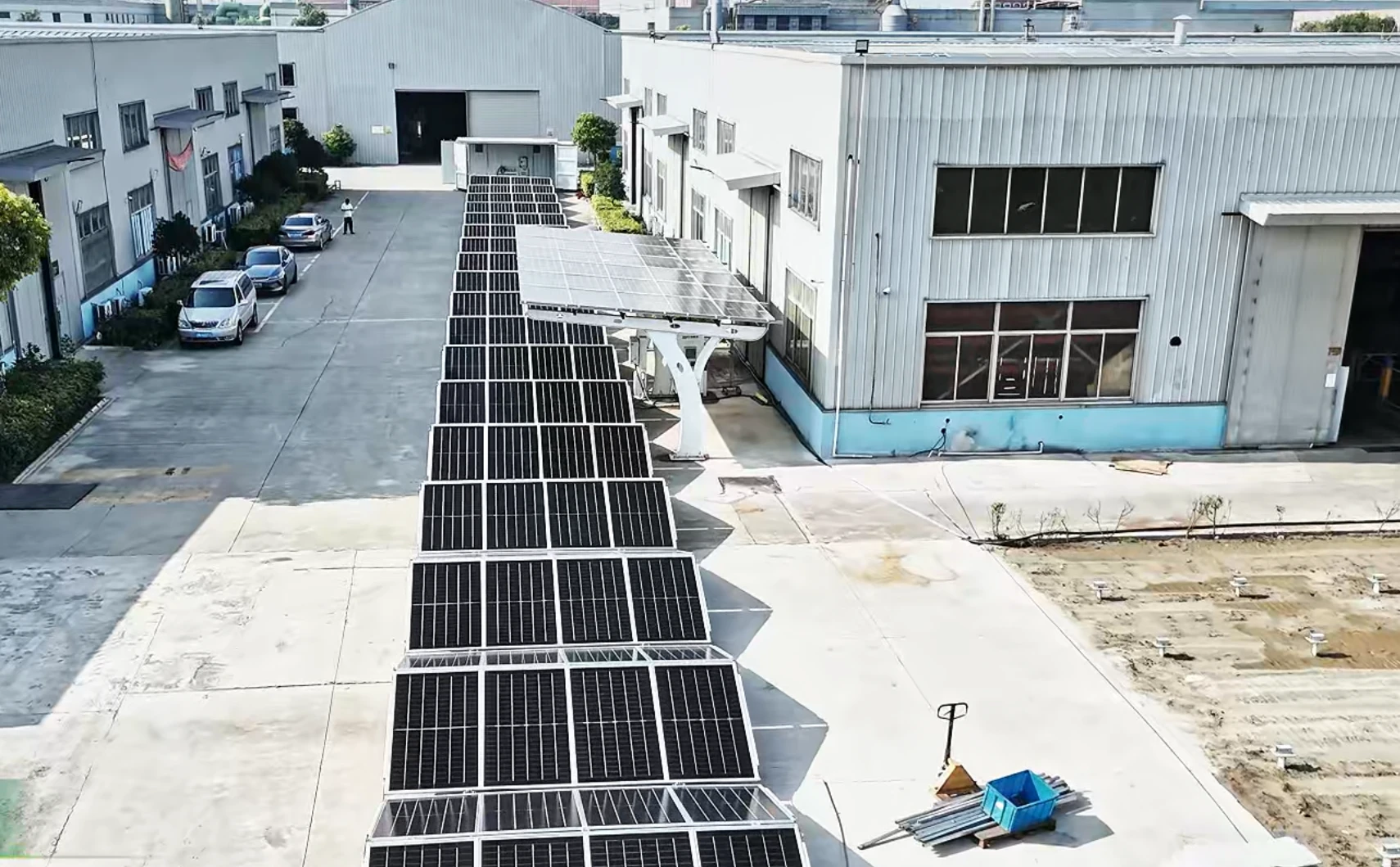
The operational principle of photovoltaic systems is straightforward: solar panels absorb sunlight to generate direct current (DC), which is then converted into alternating current (AC) by an inverter for integration into the enterprise's distribution network. Adopting a 'self-generation for self-consumption, surplus feed-in' model ensures electricity is prioritised for the enterprise's own consumption, with excess power fed back into the grid to maximise economic benefits.
Zyski z inwestycji są wyraźne, a korzyści długoterminowe znaczne
Current investment costs for commercial rooftop PV systems range from approximately 3.5 to 4.5 yuan per watt. Taking a 500-kilowatt project as an example, the total investment amounts to roughly 1.75 to 2.25 million yuan, yielding annual electricity savings of approximately 400,000 yuan. The payback period typically spans 4 to 6 years. Given that photovoltaic systems have a lifespan exceeding 25 years, this implies that after recouping their investment, enterprises can enjoy nearly two decades of 'low-cost or even free electricity.' This long-term advantage becomes particularly pronounced against the backdrop of rising electricity prices.
Ulepszanie magazynowania energii: zwiększanie wartości fotowoltaiki
Dywersyfikacja scenariuszy zużycia energii elektrycznej w przedsiębiorstwach oznacza, że jeden model generacji fotowoltaicznej nie jest już w stanie zaspokoić wszystkich potrzeb, szczególnie w przypadku przedsiębiorstw o znacznym obciążeniu nocnym. W takich przypadkach integracja systemów magazynowania energii staje się kluczowa dla optymalizacji struktur zużycia energii.
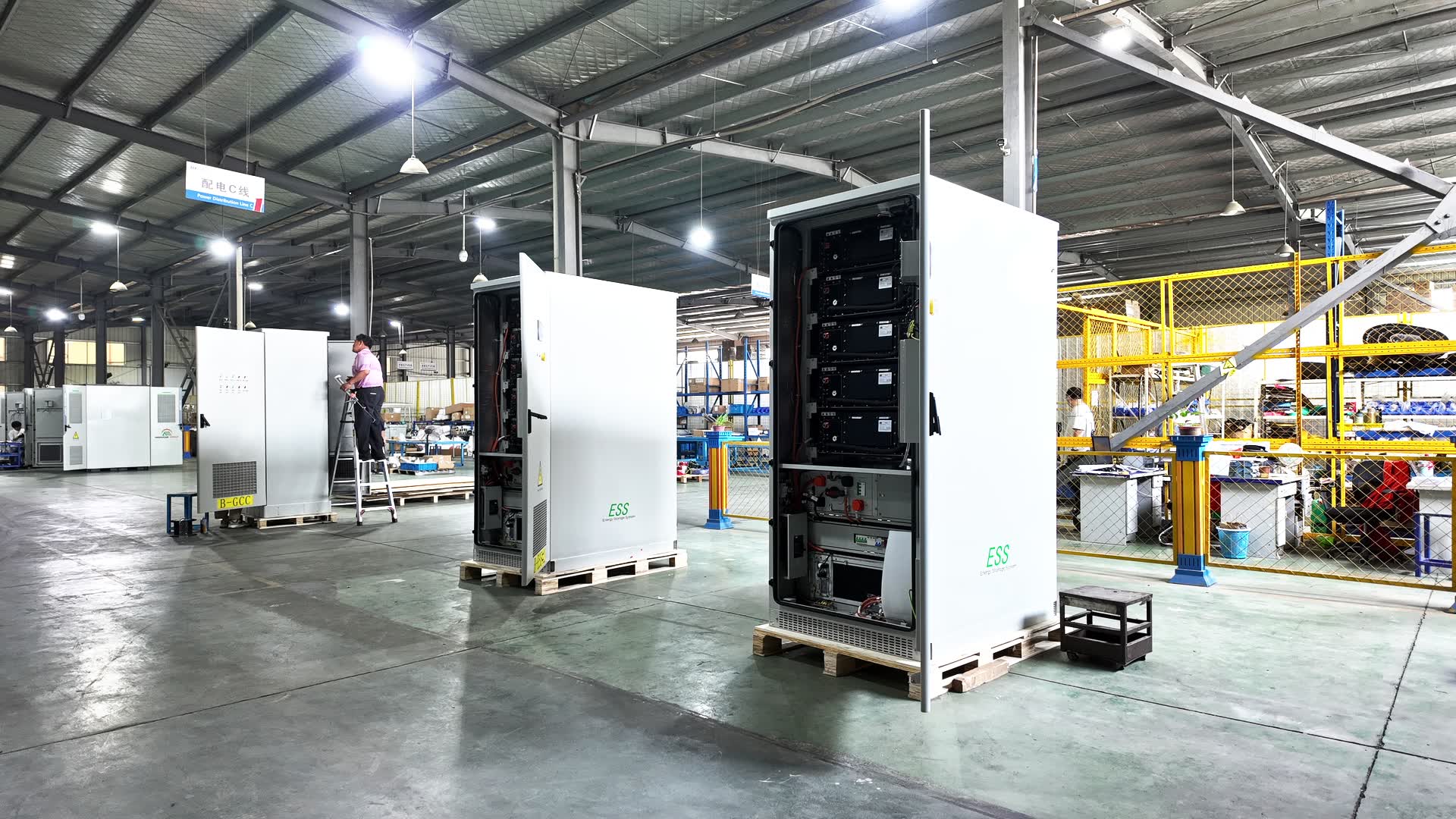
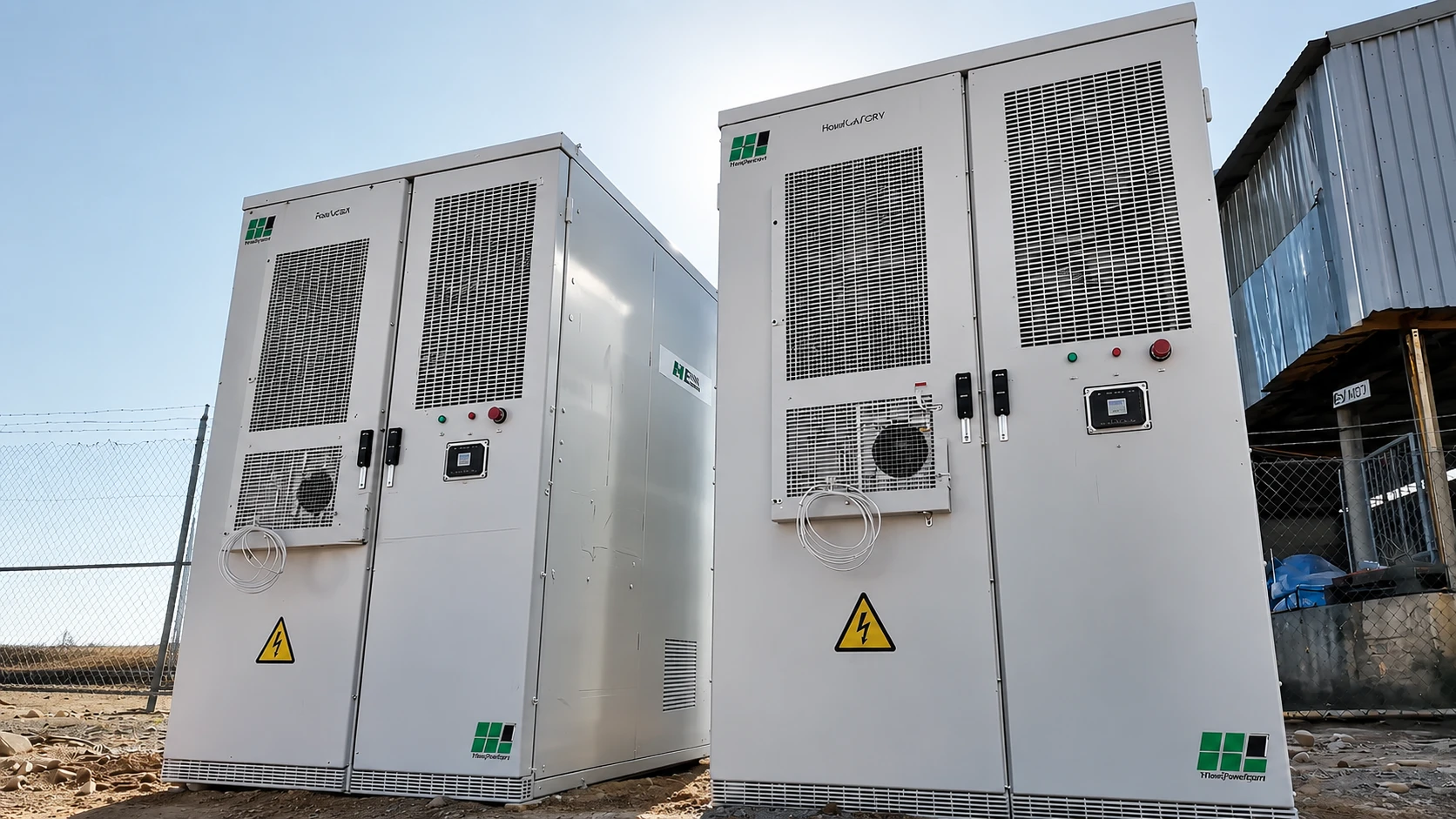
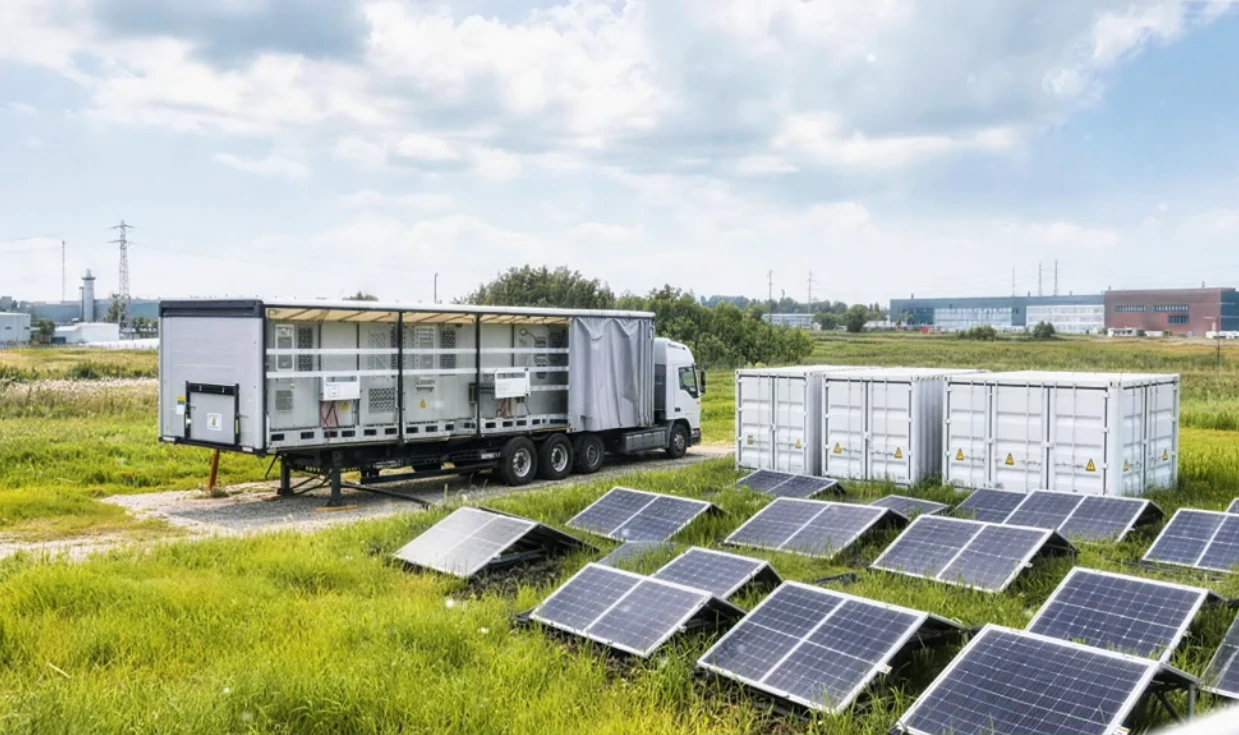
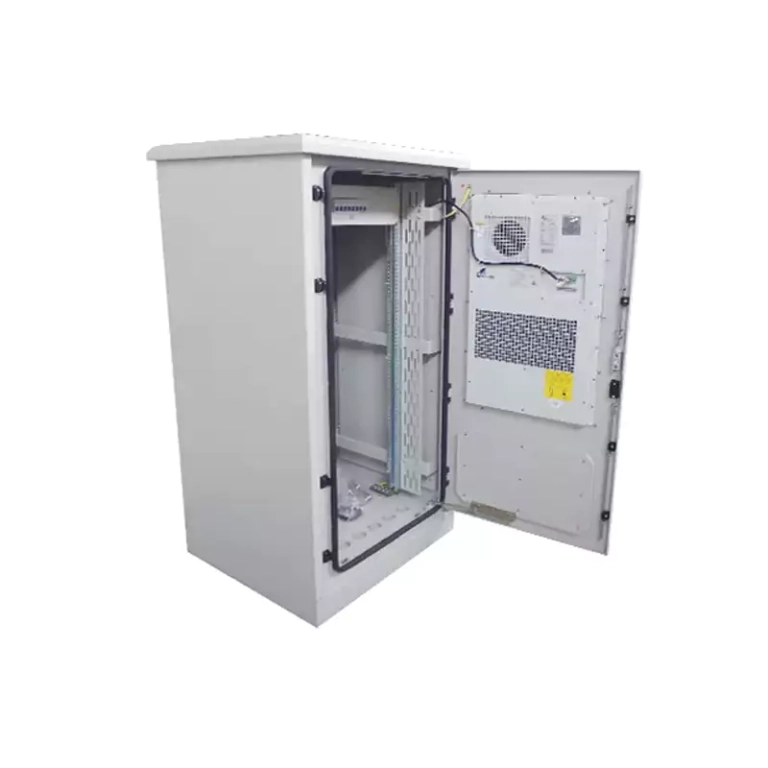
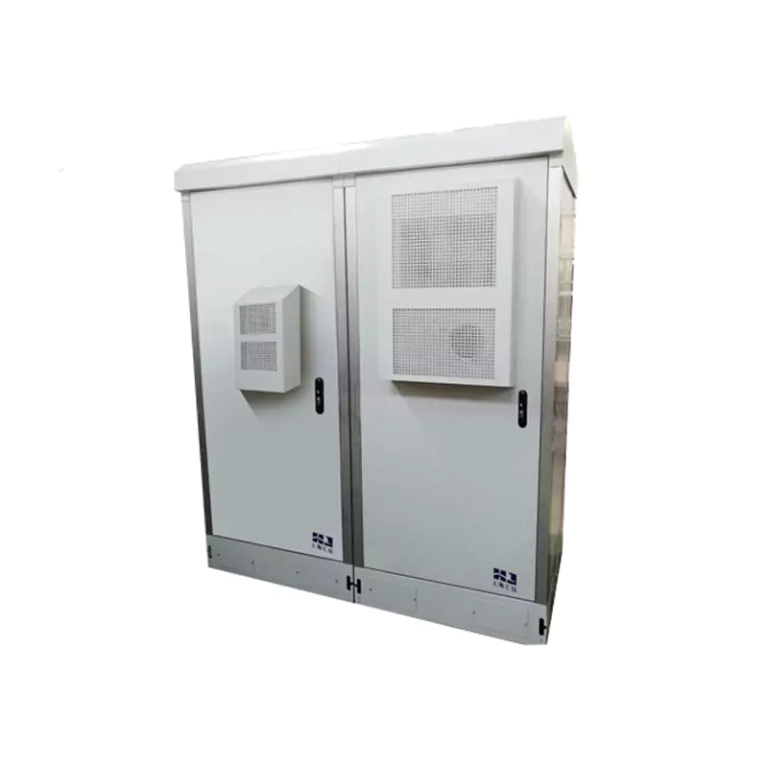
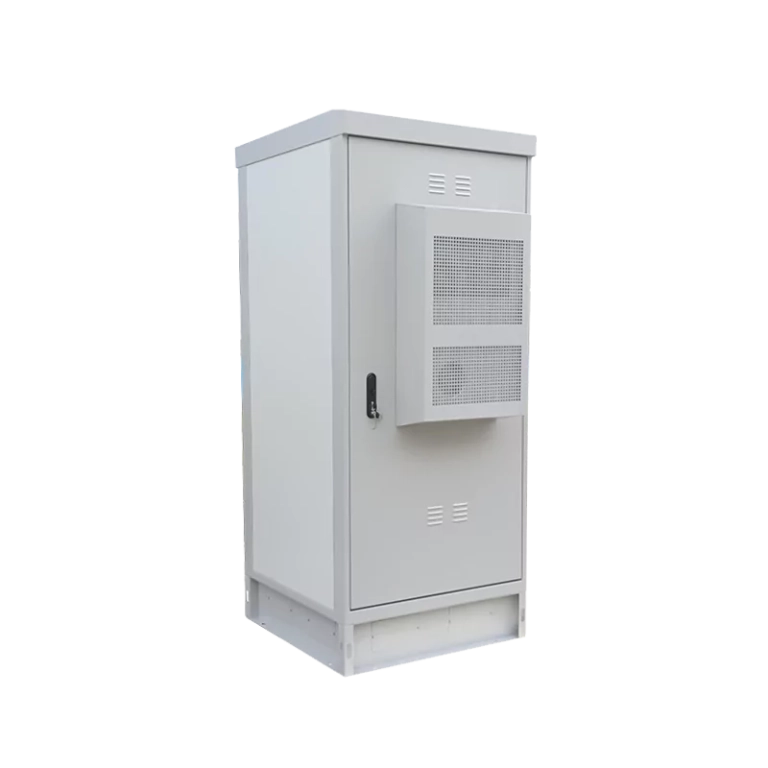
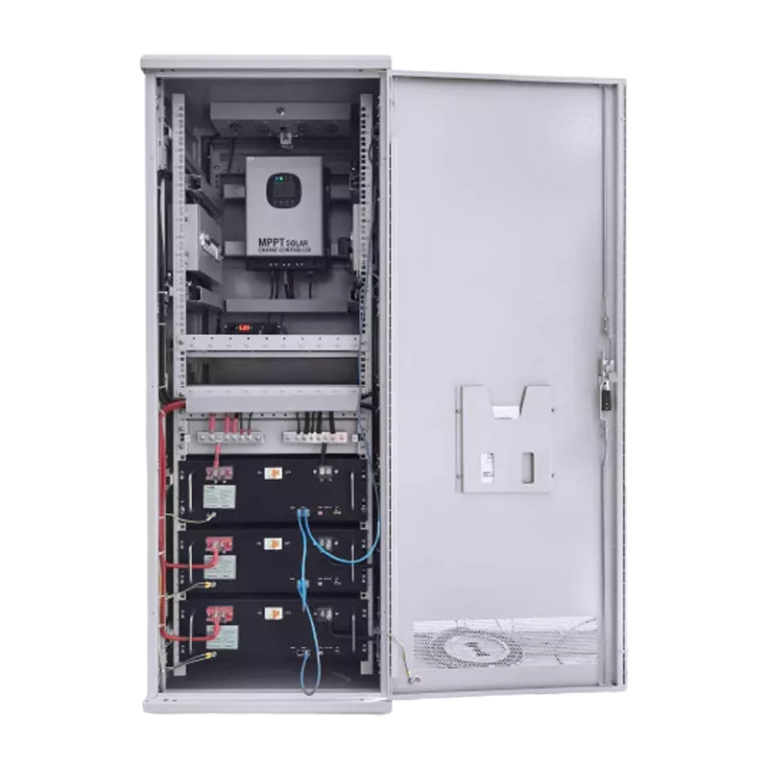
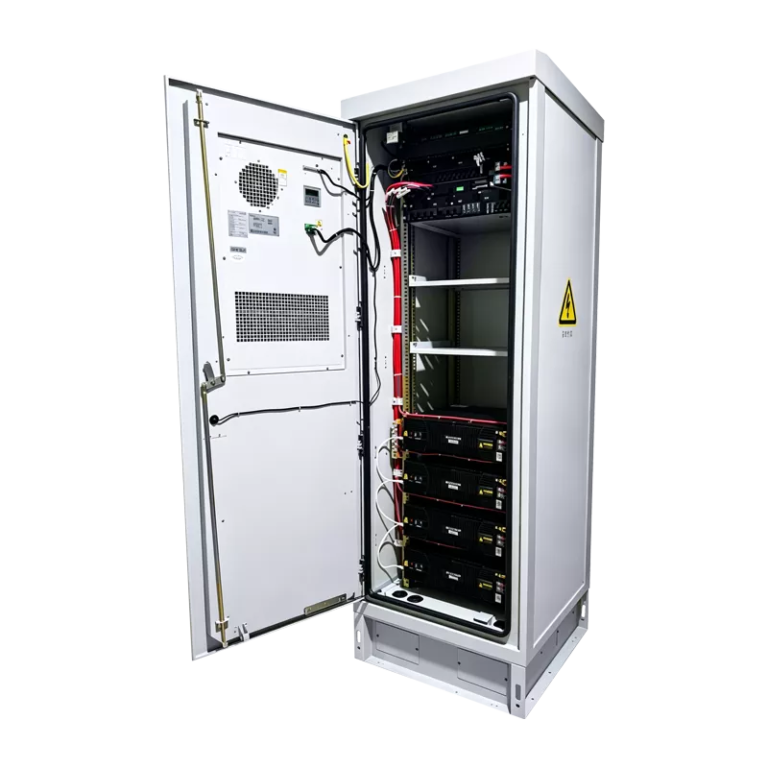
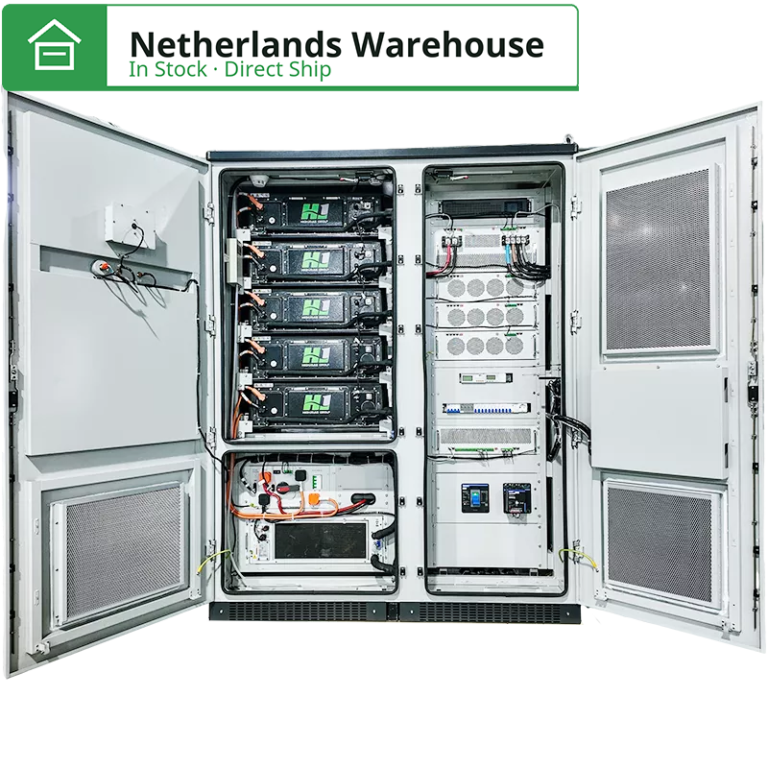
Take a project in Ganzhou, Jiangxi Province as an example: a local factory utilised the rooftops of 12 buildings to construct a distributed PV power station with a total capacity of approximately 2.8 MWp. This was complemented by a 1 MW/2.15 MWh energy storage system, incorporating 10 of our 215 kWh air-cooled energy storage cabinets. Upon completion, the project is projected to save approximately 3 million kWh of electricity annually, alleviating the enterprise's electricity pressure while achieving cost reduction and efficiency gains.
HJ Group's energy storage equipment demonstrated exceptional performance in this project. Its air-cooled storage cabinets offer advantages including high safety, intelligence, and reliability. They not only enable flexible dispatch of photovoltaic power but also effectively smooth power fluctuations, ensuring stable operation of load equipment. Furthermore, the product design prioritises installation convenience and maintenance simplicity in industrial settings, earning widespread acclaim from enterprise users.
Wiele korzyści: oszczędność energii, ochrona środowiska i wzmocnienie marki
Beyond direct electricity cost reductions, rooftop PV installations deliver additional value. For instance, photovoltaic panels provide thermal insulation, lowering factory temperatures by 3-5°C during summer months and reducing air conditioning energy consumption. Furthermore, adopting green energy helps enterprises cultivate a low-carbon, environmentally conscious brand image - a critical advantage in today's global supply chains where ESG (Environmental, Social, and Governance) considerations are increasingly paramount.

Many enterprises also integrate monitoring systems to track real-time power generation and consumption, with predictive capabilities enabling optimised energy scheduling. The incorporation of energy storage systems makes 'integrated photovoltaic-storage solutions' an ideal choice for commercial and industrial users. Chinese energy storage enterprises such as HJ Group are empowering these users to achieve dual objectives of energy transition and cost optimisation through efficient, secure, and intelligent product solutions.
Jeśli chcesz uzyskać więcej szczegółów na temat naszych produktów do magazynowania energii, skontaktuj się z nami!
Ostatnia aktualizacja: 2025-10-30